Why Balanced Exercise Matters for Your Dog
When we think about exercising our dogs, we often picture a long walk, a game of fetch, or an energetic trip to the park. While these activities are all valuable, no single form of exercise checks every box.
Just like people benefit from a mix of cardio, strength training, mental stimulation, and recovery, dogs thrive when their routine includes a variety of physical and cognitive activities. A balanced exercise plan doesn't just create a tired dog—it helps build a healthier, more confident, and better-adjusted companion.
Here's how different types of exercise benefit your dog and why they work best together.
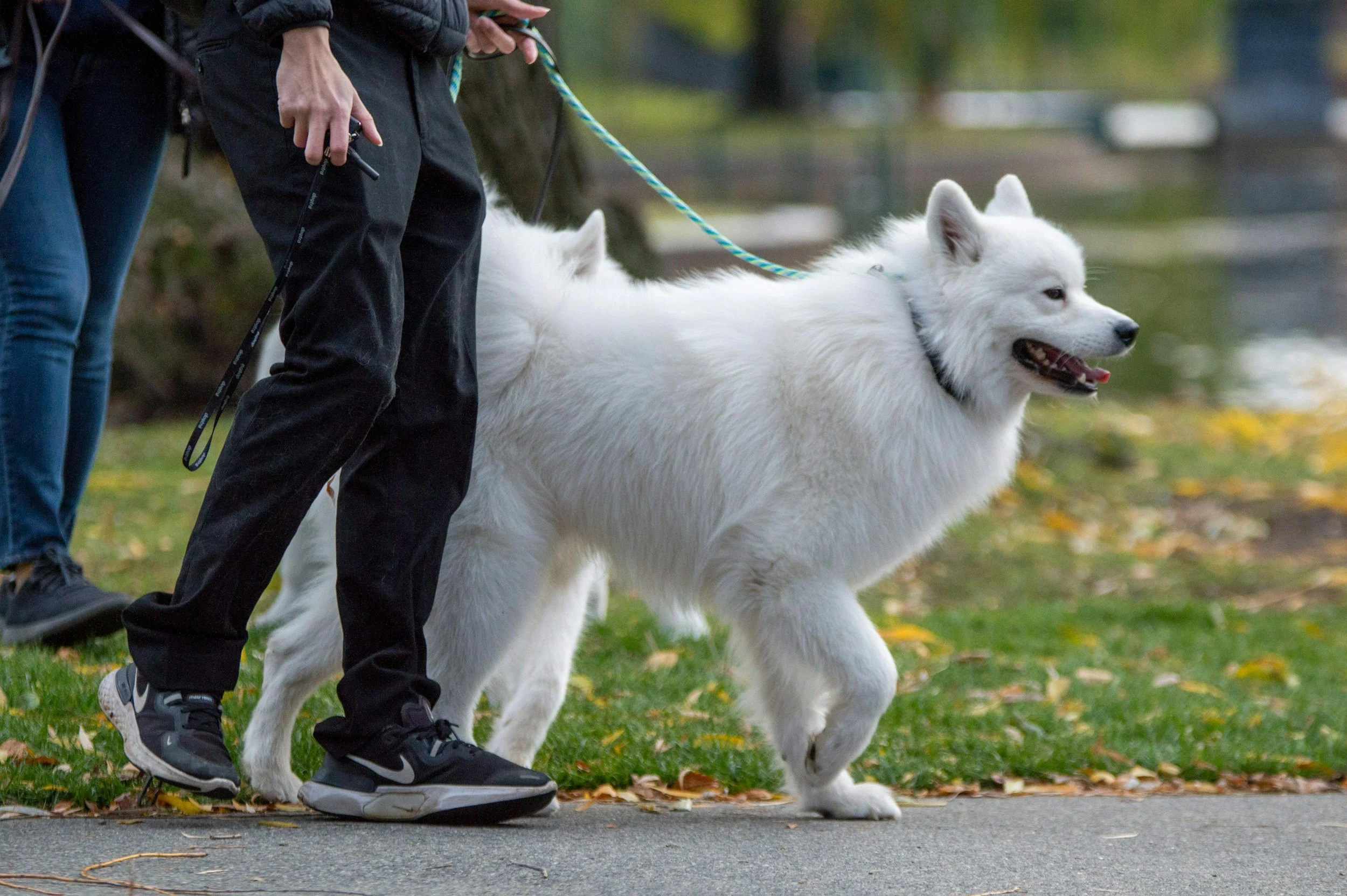
Walks: More Than Just Burning Energy
Walks are one of the most important parts of a dog's routine, but their greatest benefit isn't always physical.
A walk allows your dog to explore the world through scent, observe new environments, practice good leash manners, and experience changing sights and sounds. Sniffing engages a dog's brain, making many walks just as mentally enriching as they are physically beneficial.
Walks also provide opportunities to reinforce training, build confidence, and strengthen the relationship between you and your dog.
Best for:
Mental stimulation
Socialization
Confidence building
Leash skills
Moderate physical exercise
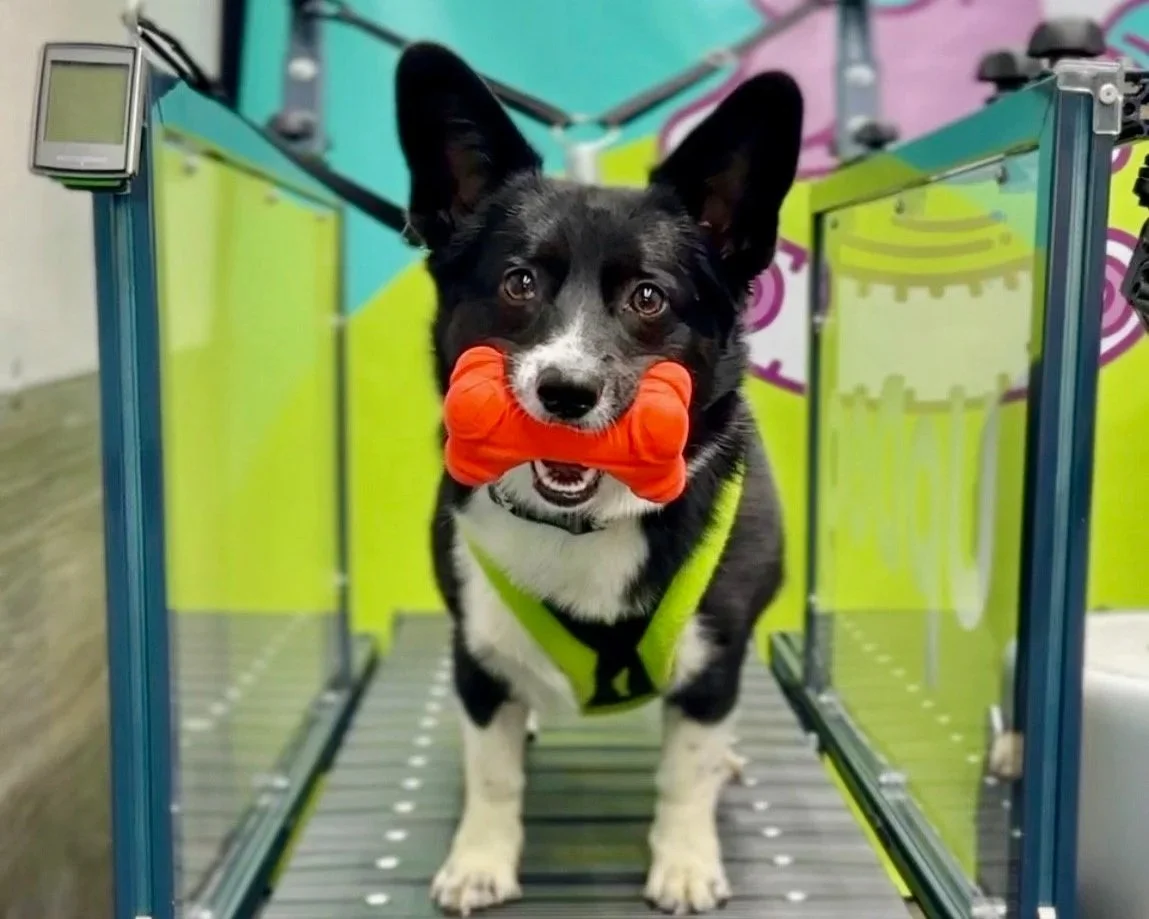
Slatmill Exercise: Consistent Physical Conditioning
Dog slatmills often get a bad reputation, but when used properly, they can be an excellent fitness tool.
Unlike outdoor walks, our slatmills provide steady, uninterrupted movement that helps improve cardiovascular fitness and endurance. They can also be useful during extreme weather, smoky wildfire conditions, icy winters, or when recovering from periods of reduced activity.
What slatmills don't provide is the environmental enrichment that comes with exploring outdoors. Your dog isn't encountering new smells, terrain, or experiences, which is why treadmill sessions should complement—not replace—regular walks.
Best for:
Cardiovascular fitness
Building endurance
Controlled exercise
Weather-related alternatives
Structured conditioning
Fetch and Interactive Games: High-Intensity Energy Release
Many active dogs love a good game of fetch, tug, or chase. These activities provide short bursts of intense exercise that can quickly burn off energy.
Games also help strengthen recall, impulse control, and engagement with their handler when incorporated into training.
However, repetitive activities like endless ball throwing can place repetitive stress on joints and muscles if overdone. Mixing up games, varying surfaces, and encouraging breaks helps keep play healthy and enjoyable.
Best for:
High-energy dogs
Speed and agility
Bonding
Training opportunities
Quick energy release
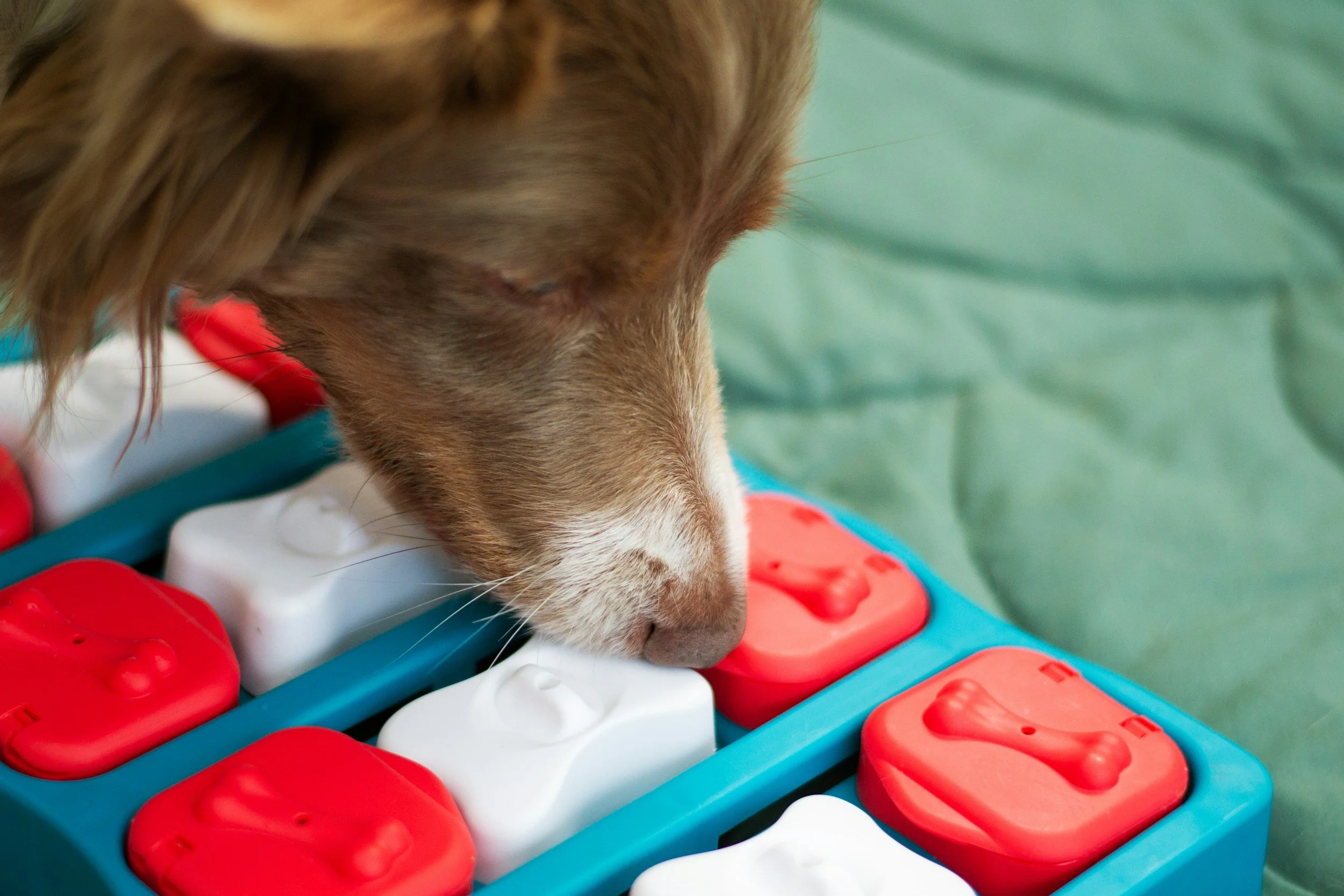
Enrichment Toys: Exercising the Brain
Mental exercise is just as important as physical exercise.
Puzzle feeders, snuffle mats, frozen food toys, treat-dispensing puzzles, scent games, and problem-solving activities encourage dogs to use their natural instincts. Working to earn food or solve a challenge engages their brain in ways that physical exercise alone cannot.
Many owners are surprised to discover that 20 minutes of focused mental work can leave a dog feeling just as satisfied as a much longer walk.
Enrichment is especially valuable for puppies, senior dogs, rainy days, recovery periods, or dogs with physical limitations.
Best for:
Mental stimulation
Reducing boredom
Problem-solving
Confidence building
Slowing fast eaters
Why Variety Creates a Better Routine
Imagine doing only one type of workout every day for the rest of your life. Even if it were effective, you'd likely become bored, overuse certain muscles, and miss other aspects of fitness.
Dogs are no different.
A balanced routine exposes them to different environments, movements, challenges, and learning opportunities. It also helps reduce boredom, encourages healthier behavior, and supports both physical and emotional well-being.
Rather than asking, "How can I tire my dog out?" consider asking, "How can I meet my dog's physical and mental needs today?"
Building a Well-Rounded Exercise Routine
A healthy week doesn't have to look the same every day. Some days might include a long sniff-focused walk followed by a puzzle feeder. Other days may feature a slatmill workout during smoky weather or a game of fetch before dinner.
The goal is variety.
A balanced routine might include:
Regular walks for exploration and socialization.
Structured physical conditioning through hiking, running, or treadmill sessions.
Interactive games that encourage movement and engagement.
Daily mental enrichment through food puzzles, scent work, or training sessions.
Rest and recovery to allow both body and mind to recharge.
Every Dog Is Different
Age, breed, health, personality, and energy level all influence the type and amount of exercise a dog needs.
A young Border Collie will have very different exercise requirements than a senior Bulldog. Some dogs crave long adventures, while others benefit more from shorter outings paired with enrichment activities.
The best routine is one that meets your dog's individual needs while providing both physical activity and opportunities to think, explore, and learn.
When physical exercise and mental enrichment work together, dogs are often calmer at home, more focused during training, and better equipped to handle everyday life. Instead of simply creating an exhausted dog, balanced exercise helps create a fulfilled one—and that's the foundation for a happier, healthier companion.