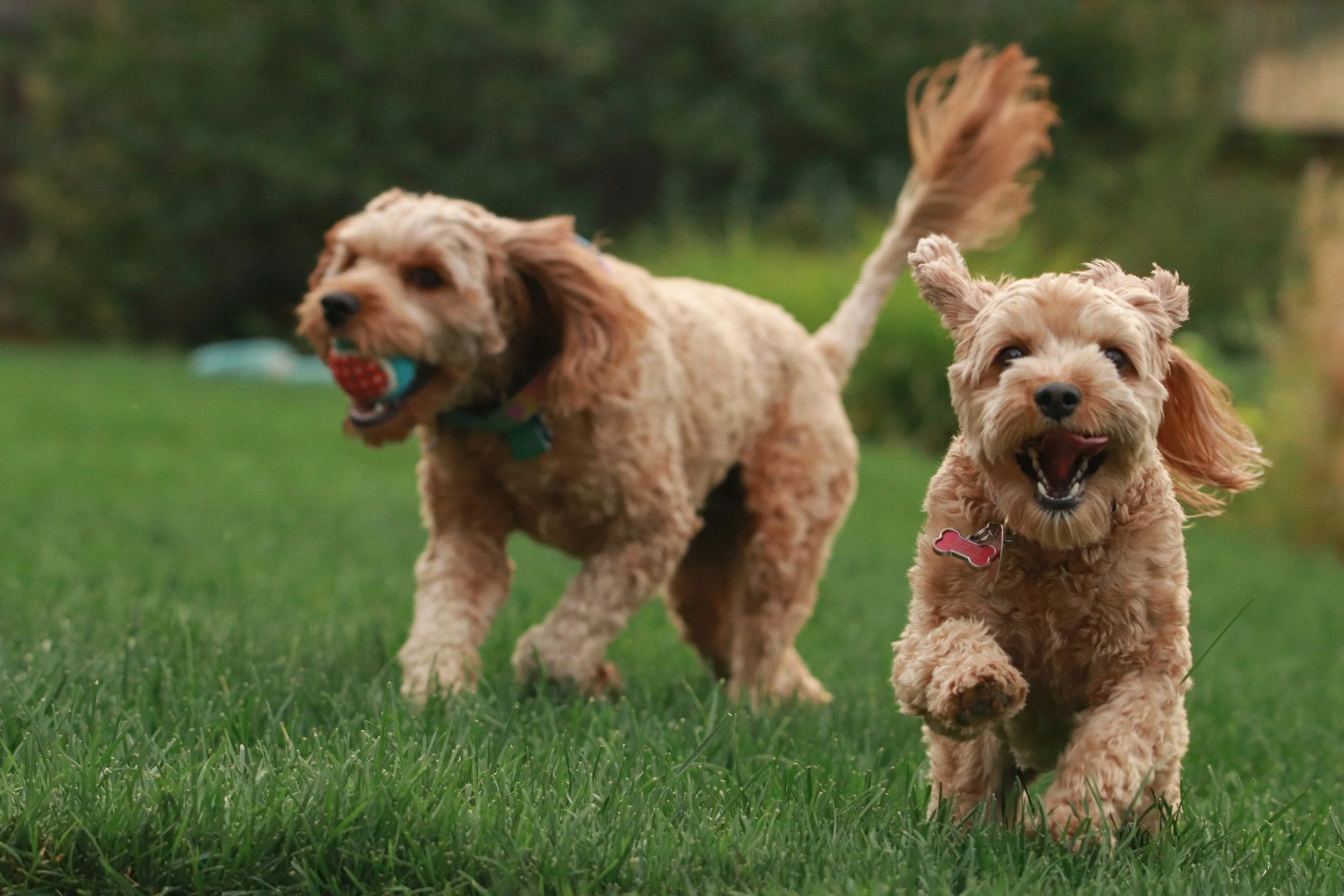
Summer is one of the best times to get outside with your dog. Longer days, sunshine, and outdoor adventures create incredible opportunities for exercise and enrichment. Warmer temperatures also bring unique risks. Knowing how to recognize heat stress, prepare for hot weather, and make smart decisions can help keep your dog safe all season long.
Know the Signs of Overheating
Dogs don't cool themselves the same way we do; they don’t actually sweat. They rely primarily on panting, making them much more susceptible to heat exhaustion and heatstroke.
Watch for these warning signs:
Excessive or frantic panting
Bright red, dark red, or purple gums and tongue
Thick or excessive drool
Difficulty walking or weakness
Vomiting or diarrhea
Confusion or disorientation
Glazed eyes
Collapse or inability to stand
Check for dehydration warning signs: press on the gums to check for color change, or examine scruff by gently pinching and lifting the loose skin between their shoulder blades or at the back of the neck, then let go and watch how fast it moves (slow to recover can be a warning sign)
If your dog shows several of these symptoms, stop activity immediately, move them into shade or air conditioning, begin cooling them gradually with cool (not ice-cold) water, and contact your veterinarian right away.
Heatstroke is a medical emergency and can progress quickly.
Car Temperature
A parked car can become dangerously hot for dogs within minutes. On a 70°F day, the temperature inside a vehicle can reach approximately 89°F in just 10 minutes and 104°F in 30 minutes. On an 80°F day, the interior can climb to around 99°F in 10 minutes and 114°F in 30 minutes. Even with the windows cracked, the temperature can continue to rise rapidly, creating a serious risk of heatstroke. Because dogs cannot cool themselves as efficiently as humans, never leave your dog unattended in a parked car—even for a short errand.
If you must leave your dog in the car, ensure they have access to water, and consider leaving the car running with the AC. Portable fans and cooling mats can also help with temperature control.
Your Dog’s Tongue Can Tell You a Lot
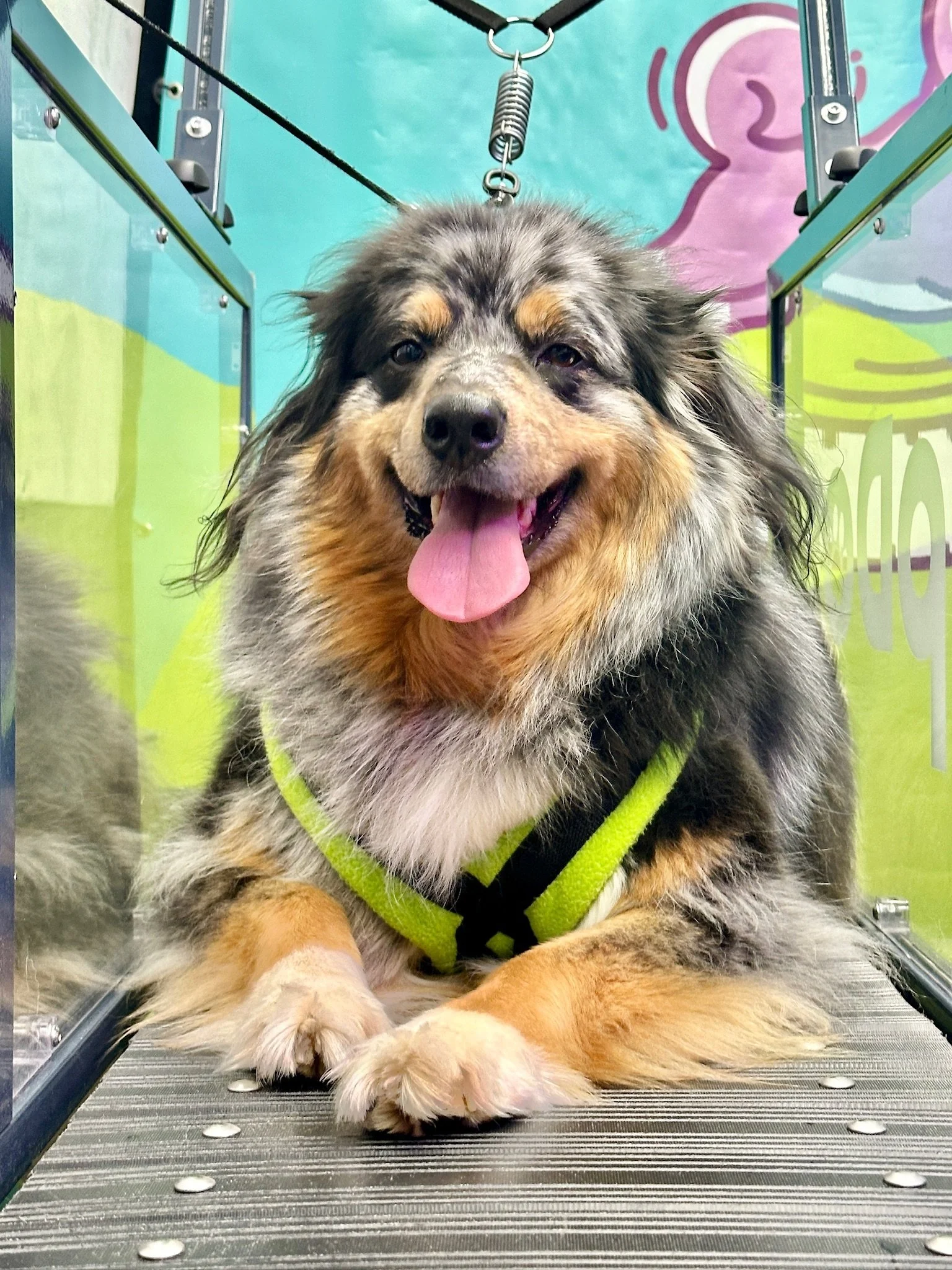
One of the easiest ways to monitor your dog's condition during exercise is by watching their tongue.
A healthy dog exercising normally typically has a pink tongue. As they become warmer, the tongue often becomes:
Larger/longer and hangs farther out of the mouth
Brighter pink or bright red
Wider - spoon or shovel-like
Drooped or hangs from the side of the mouth (if a dog can’t correct the placement, this is a warning sign)
If the tongue becomes deep red, purple, or begins looking unusually thick or swollen, your dog may be dangerously overheated.
Hot Pavement Can Burn Paws
Air temperature doesn't tell the whole story.
Sidewalks, asphalt, artificial turf, and sand can become dramatically hotter than the surrounding air. This not only impacts paws, but can cause the whole body to overheat since dogs are much closer to the ground than we are.
As a general guide:
77°F air = pavement around 125°F (this can burn paw pads in less than a minute!)
87°F air = pavement around 140°F
As a general rule of thumb, if the pavement feels too hot for the back of your hand after seven seconds, it's too hot for your dog's paws.
Whenever possible, opt for a walk in grass, a dirt trail, or a hike in a shaded area. Be mindful that while sand may seem like a good option, it is actually a better conductor of heat than dirt or grass. If you’re not able to do this, consider paw wax or well-fitted boots as a safer alternative. In extreme cases, a stroller or dog safe backpack with appropriate ventilation may be an option.
Want to sit outside for a picnic or patio lunch? Try out a cooling mat for your dog to lie on in order to help maintain a more comfortable body temp.
Water Safety Matters Too
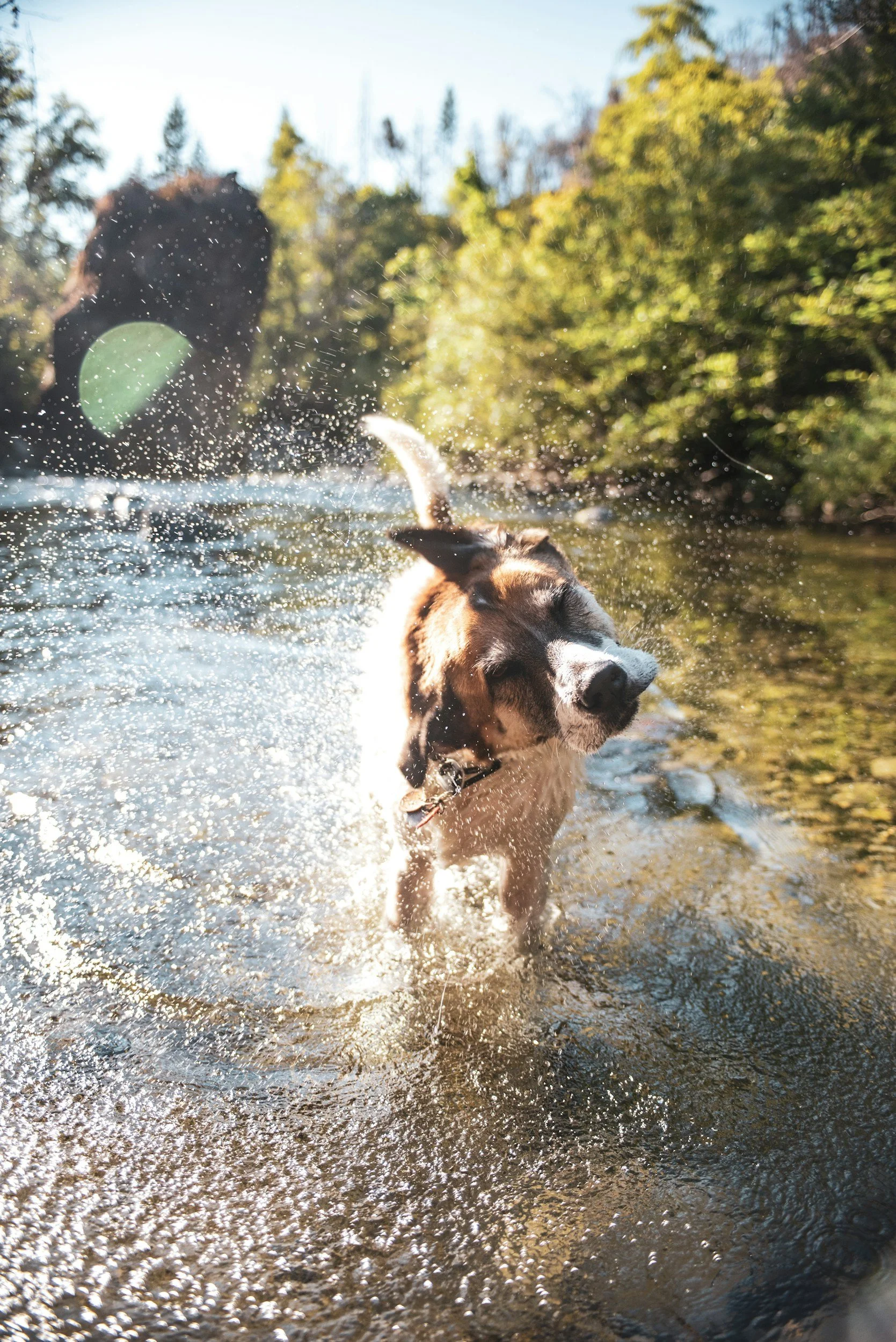
Many dogs love swimming, but not every body of water is safe.
Avoid lakes or ponds with visible green algae or thick surface scum. Harmful blue-green algae can produce toxins that become life-threatening if ingested—even small amounts. Additionally, be mindful that rivers, lakes, streams, puddles and other natural (unfiltered) bodies of water may contain bacteria, parasites or other contaminants. Offer clean drinking water frequently to discourage drinking from bodies of water that may not be safe.
After swimming, rinse your dog with fresh water and dry their ears if they're prone to ear infections.
Hydration: More Isn't Always Better
Keeping dogs hydrated is important, but timing matters.
After intense exercise, avoid allowing your dog to gulp a large amount of water all at once. Drinking too quickly can contribute to vomiting and stomach discomfort and can even be deadly in extreme cases.
Instead, offer small amounts frequently throughout outdoor activity. Opt for a slow water bowl or hand controlled water bottle to control water consumption. Allow short breaks, and let them cool gradually before offering additional water.
Likewise, avoid giving ice cubes or ice-cold water to an overheated dog. Rapid cooling can be dangerous, and is not the appropriate treatment for heatstroke. Cool water, shade, airflow, and veterinary care are the priorities.
Hyperhydration or water intoxication is also a hazard with water-loving dogs, so be mindful when they are doing activities such as biting at hoses or sprinklers, retrieving while swimming in water, and gulping water while swimming.
Our Favorite Ways to Keep Dogs Safe in the Summer
Some simple tools can make a big difference during hot-weather adventures.
Our favorites include:
We are not sponsored, nor do we receive any commission from the sale of any products linked above. These products help support safe outdoor activity, but they're never a substitute for monitoring the dog and adjusting activity based on the weather.
When to Call Your Veterinarian
Be aware of your dog’s normal physical state while exercising, and if you have any doubt about your dog’s well-being, take them to the vet.
Heatstroke can become life-threatening very quickly, and early treatment dramatically improves outcomes.

How UpDog Keeps Dogs Safe During Summer Gym Sessions
Our mobile gym is climate-controlled with air conditioning and fans to keep dogs comfortable throughout their session. We carefully monitor signs of overexertion, prioritize the dog’s safety, have frequent water breaks, and offer rest periods as necessary.
Our team continuously evaluates every dog throughout their by watching:
Panting intensity
Tongue color
Energy level
Recovery time
Body language
Interest in continuing activity
Each dog handles heat differently depending on age, breed, coat type, fitness level, and personality.
Our goal is simple: to provide fun, safe enrichment for every dog we work with.
Enjoy Summer Safely
With a little preparation and awareness, summer can be one of the most rewarding seasons for your dog. Choosing the right time of day, monitoring for signs of overheating, protecting paws, avoiding unsafe water, and understanding your dog's individual limits all go a long way toward keeping adventures fun and safe.
The best adventures aren't the longest or the hardest—they're the ones where every dog enjoys their favorite activities safely.