Oregon is one of the best places in the country for outings and adventures with your dog. From forest trails and mountain lakes to rivers, beaches, and high desert landscapes, there is no shortage of places to hike, swim, sniff, and explore together.
While the Pacific Northwest offers incredible opportunities for outdoor recreation, it also comes with a few hazards that every dog owner should know about. The good news? Most risks can be easily managed with awareness, preparation, and a little observation.
We’re sharing some of the most common outdoor hazards you and your pup may encounter while exploring Oregon and how to keep your adventures safe and enjoyable.
Foxtails
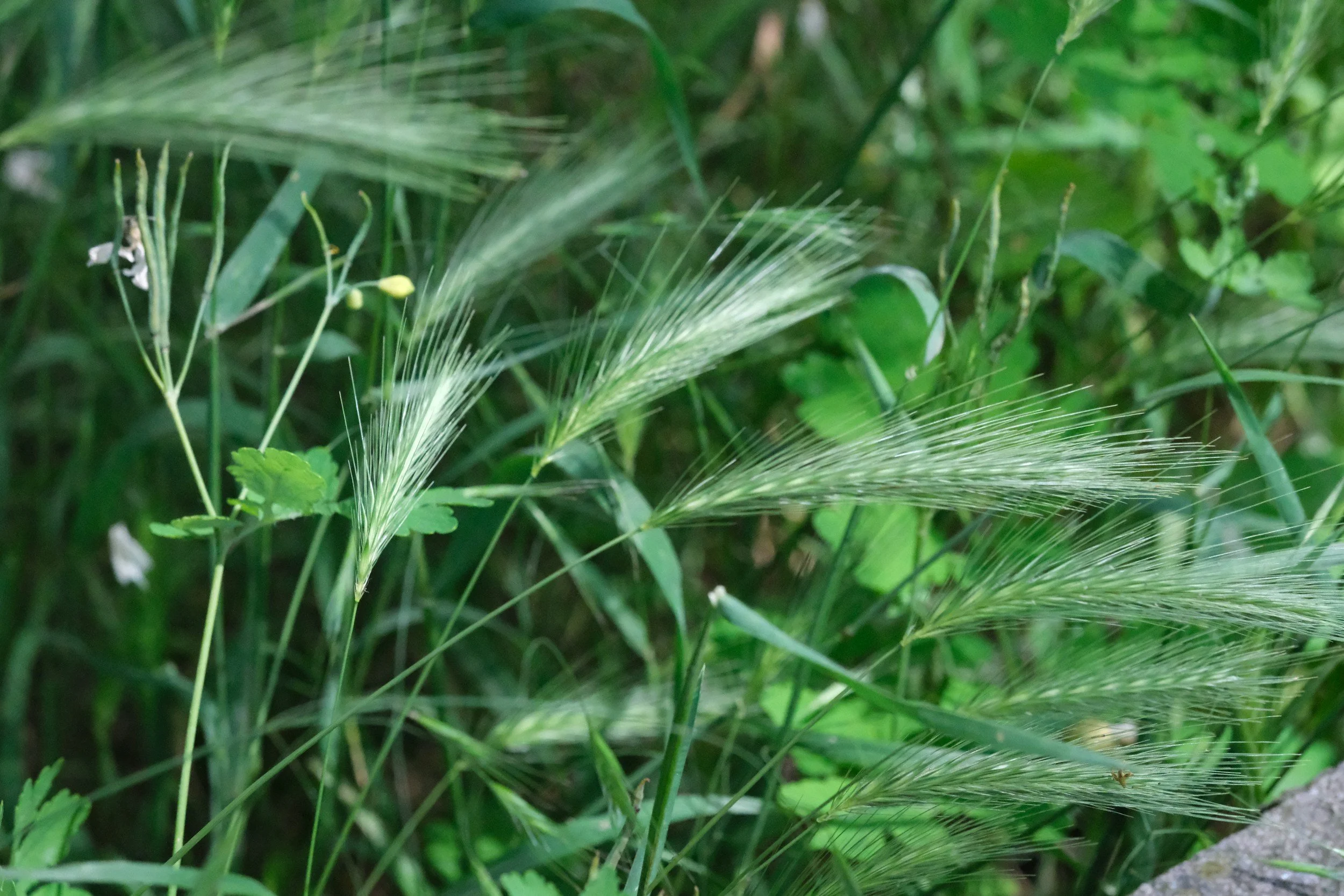
Foxtails are a native grass with wheat-like seed heads that become sharp and barbed during the dry summer months. Unlike normal grass seeds, the barb-like hooks in foxtail seeds can burrow into a dog's skin, ears, nose, eyes, or paws and unfortunately they may continue to irritate the tissue.
Foxtails don't always just fall off. Unfortunately, the barbs allow them to embed into the skin or other ares where they can continue migrating inward, causing painful sores, infections or even requiring surgical removal. If dogs inhale foxtail seeds, they can continue migrating up through the sinuses leading to repetetive sneezing or additional discomfort depending on how far they travel.
It’s important to be able to recognize what foxtails look like and to avoid letting your dog walk through or sniff around areas where they are present. A best practice after every outdoor adventure is to check your dog’s skin and coat carefully. Pay particular attention to the skin between the toes, inside the ears, around the eyes, and under long coats.
Seek veterinary care your dog suddenly begins:
Sneezing repeatedly
Shaking their head
Holding one eye closed
Limping
Licking or chewing obsessively (particularly the paws)
Fleas and Ticks
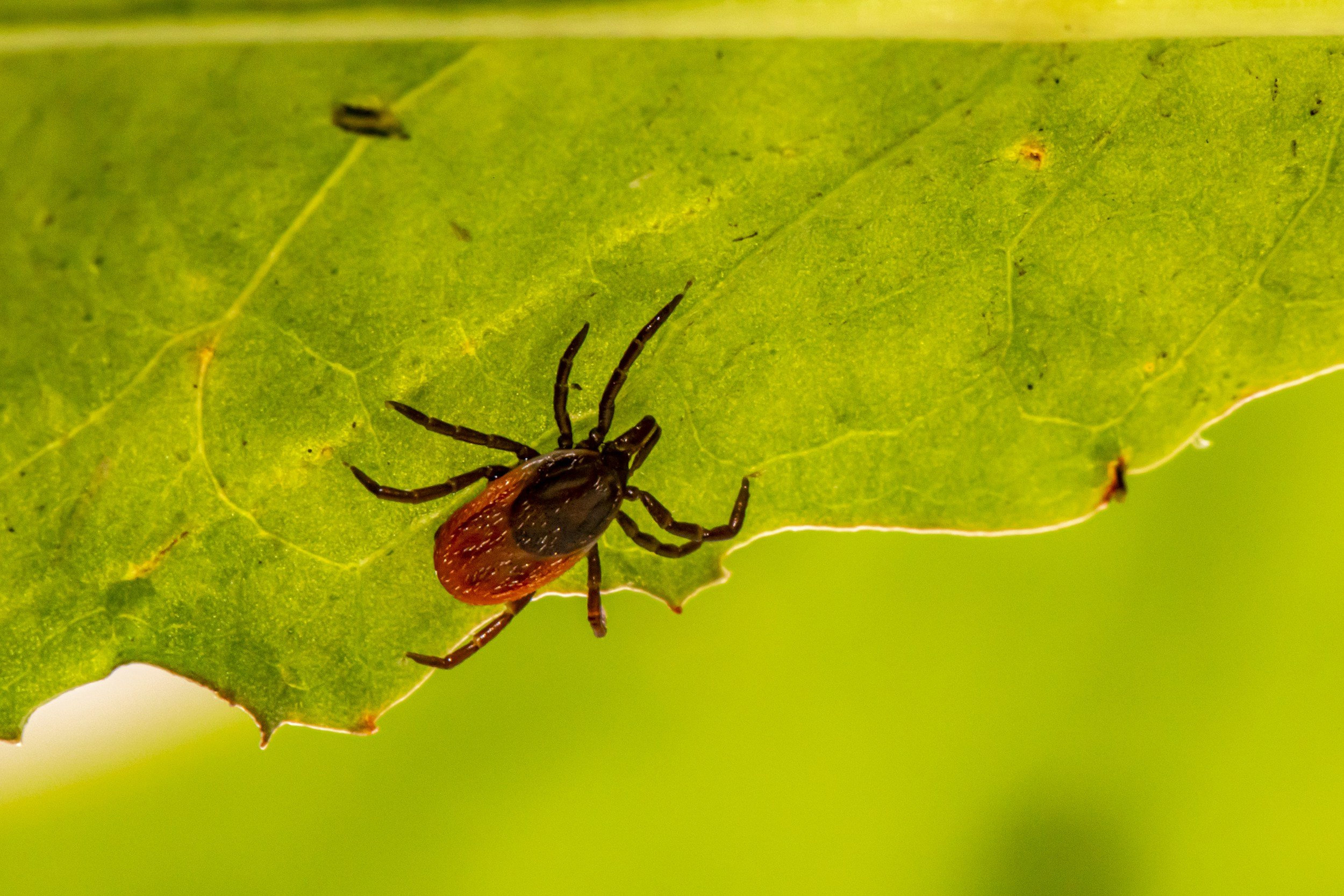
Fleas and ticks are increasingly common throughout Oregon, especially in wooded areas, tall grasses, and brushy trails. They can transmit diseases and often go unnoticed until they have attached themselves.
Using veterinarian-recommended flea and tick prevention is one of the best defenses. After every hike, perform a quick tick check around the ears, neck, armpits, groin, and between the toes.
Snakes
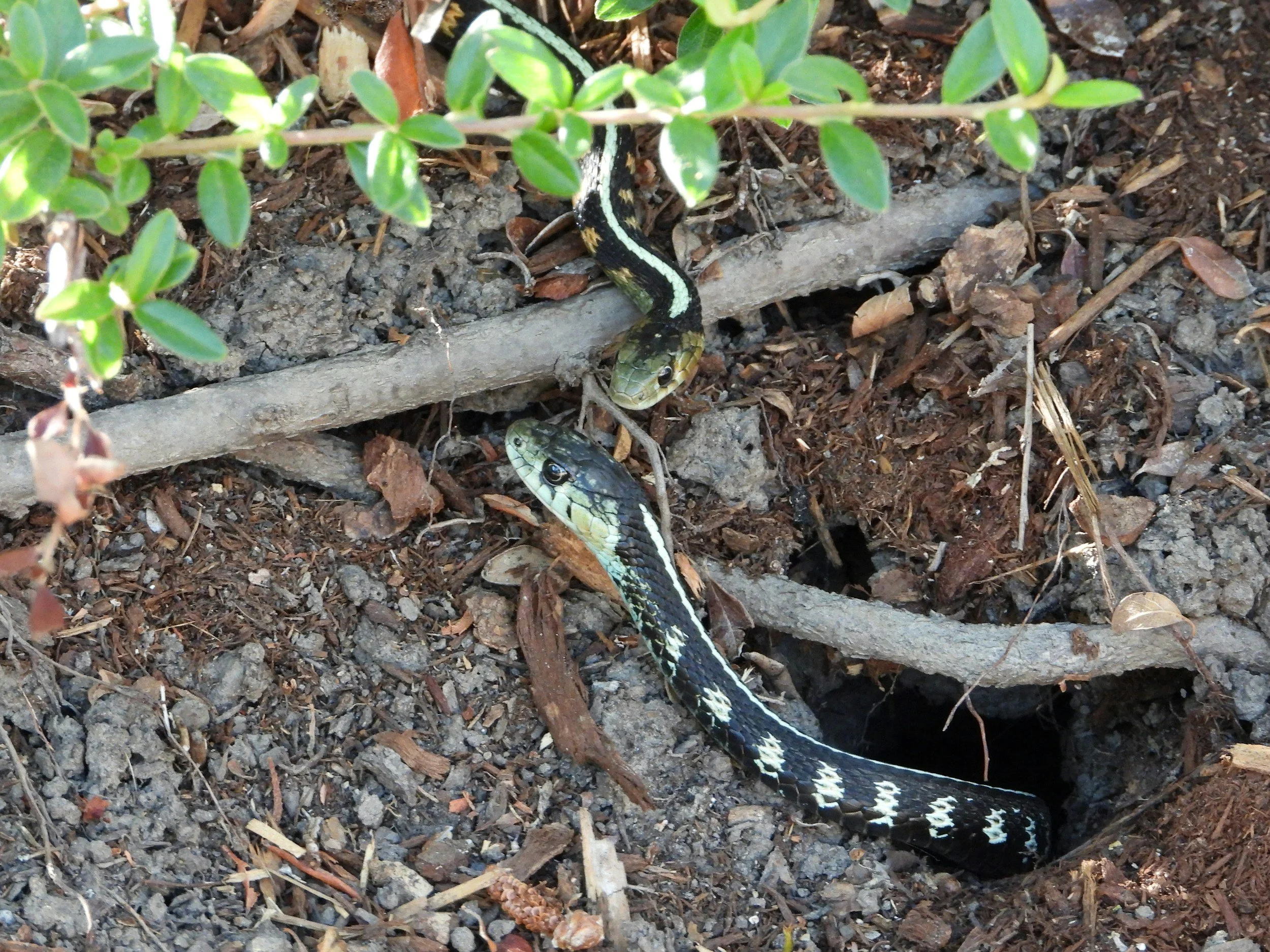
Eastern and southern Oregon are home to rattlesnakes, while other snake species can be found throughout the state. Most snakes want nothing to do with people or dogs and will avoid confrontation when given space.
Keep dogs on designated trails. Avoid letting them investigate rock piles or dense brush, and pay attention to warning signs in rattlesnake habitat areas. If your dog is bitten by a snake, seek veterinary care immediately.
Wildfires & Smoke
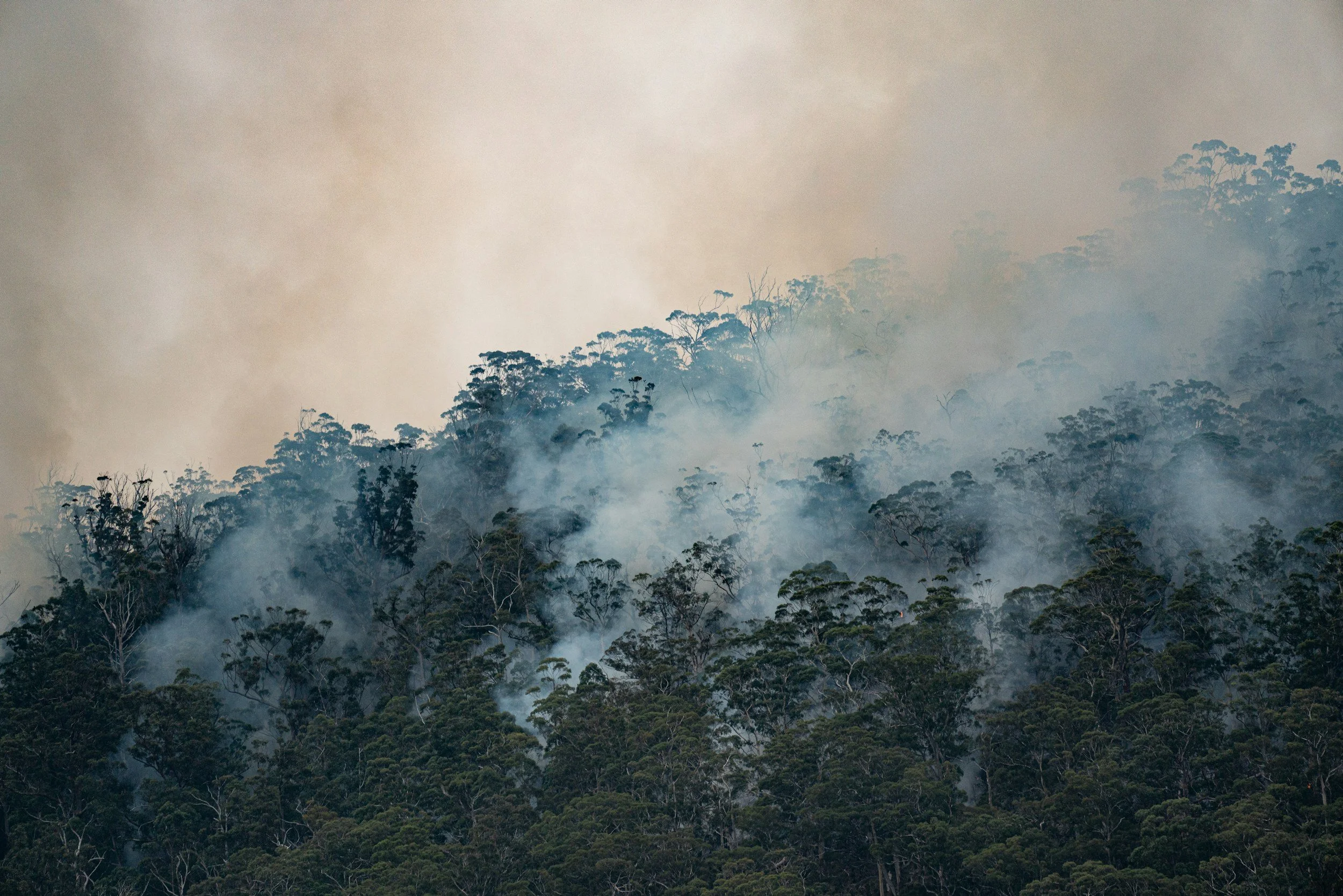
Wildfire season can significantly impact air quality, even when fires are hundreds of miles away. Dogs are affected by smoke much like humans and can experience irritation to their eyes and respiratory system.
Additionally be mindful of ashfall during wildfire season. Dogs sniff the ground constantly when outside, so they are prone to inhaling even more ash and contaminated debris than we are.
On smoky days, shorten outdoor activities, avoid strenuous exercise, and monitor your dog for coughing, excessive panting, lethargy, or difficulty breathing.
Sometimes the safest outing is a shorter one.
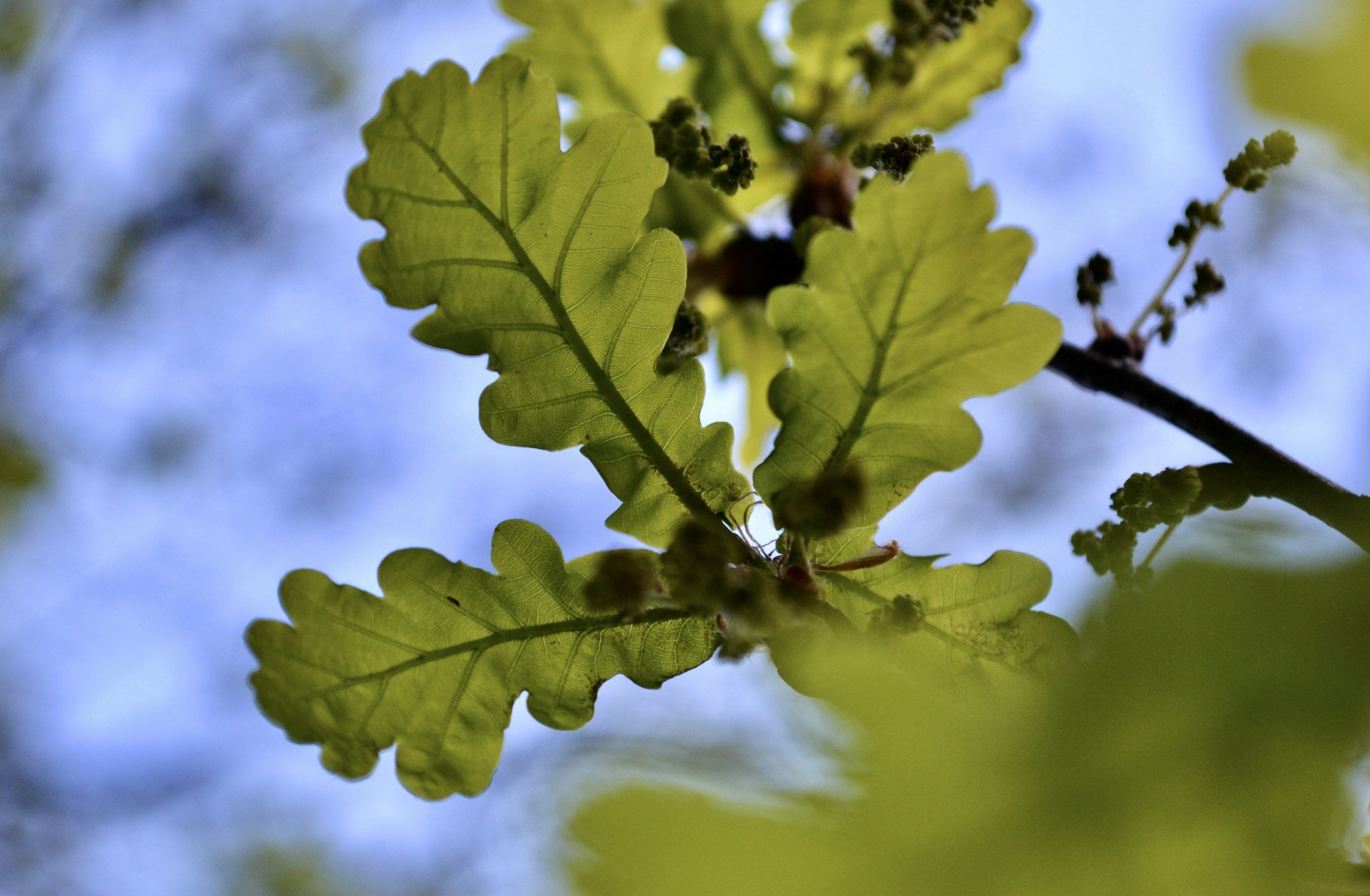
Poison Oak
Learning to identify poison oak is a valuable skill for any Oregon adventurer.
While poison oak doesn't affect most dogs the same way it affects people, the plant’s oils can linger in the coat for quite some time. Dogs that come into contact with poison oak can essentially become furry carriers of the irritating oils, and can transfer them to you.
If you suspect exposure, wear gloves and wash your dog thoroughly with an appropriate dog-safe soap or shampoo that is designed to remove these oils. Be sure to wash all collars, harnesses or other items that may have come in contact with the oils as well.
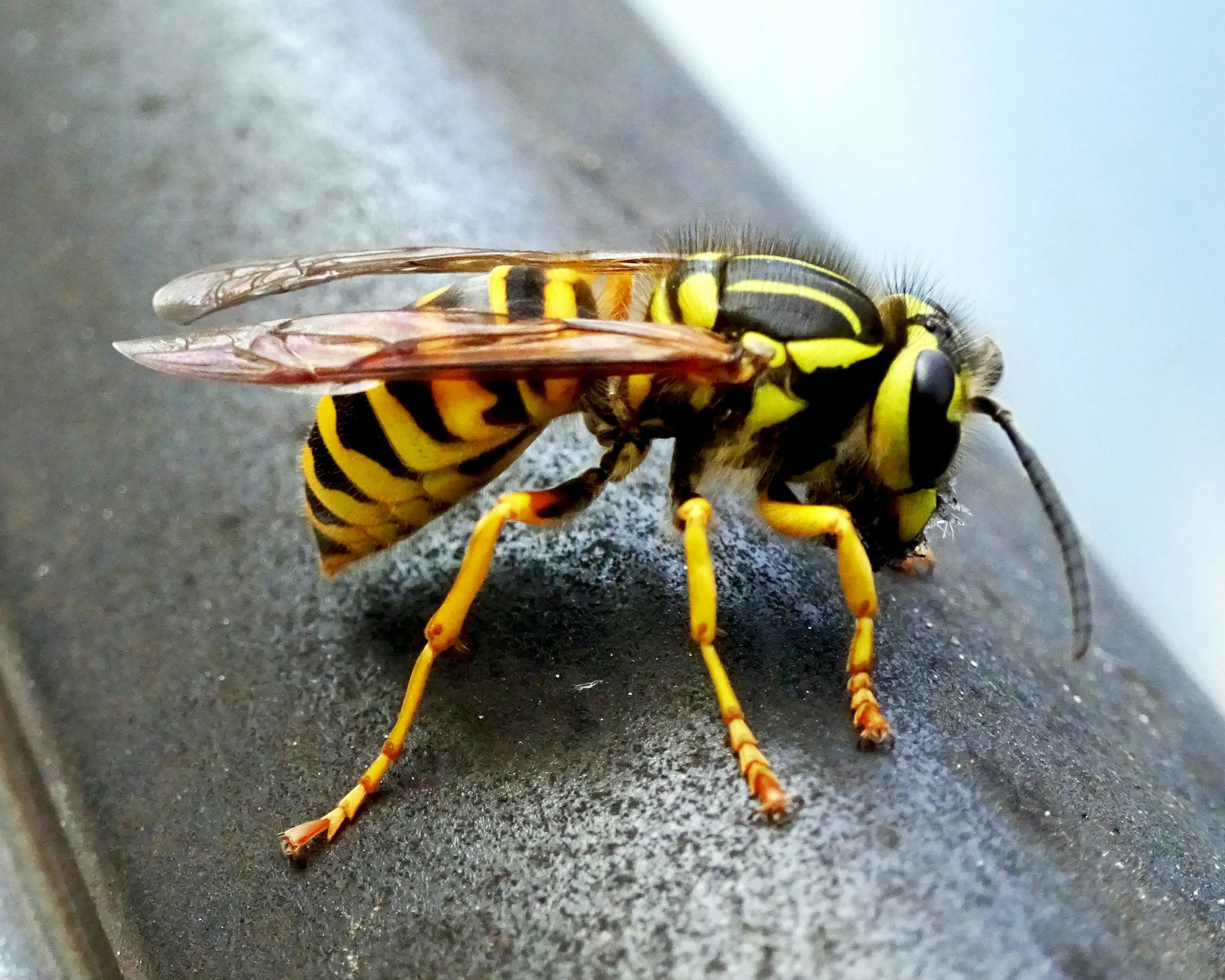
Yellow Jackets and Wasps
Late spring all the way through early fall often bring increased yellow jacket activity, especially around picnic areas, campsites, and trailheads.
Be mindful that many stinging insects are attracted to snacks and treats that you may have.
Most dogs encounter trouble when investigating nests hidden underground or snapping at/chasing flying insects.
Stings around the face, mouth, or throat can become serious and may require veterinary attention. If your dog experiences significant swelling, difficulty breathing, or signs of an allergic reaction, seek immediate care.
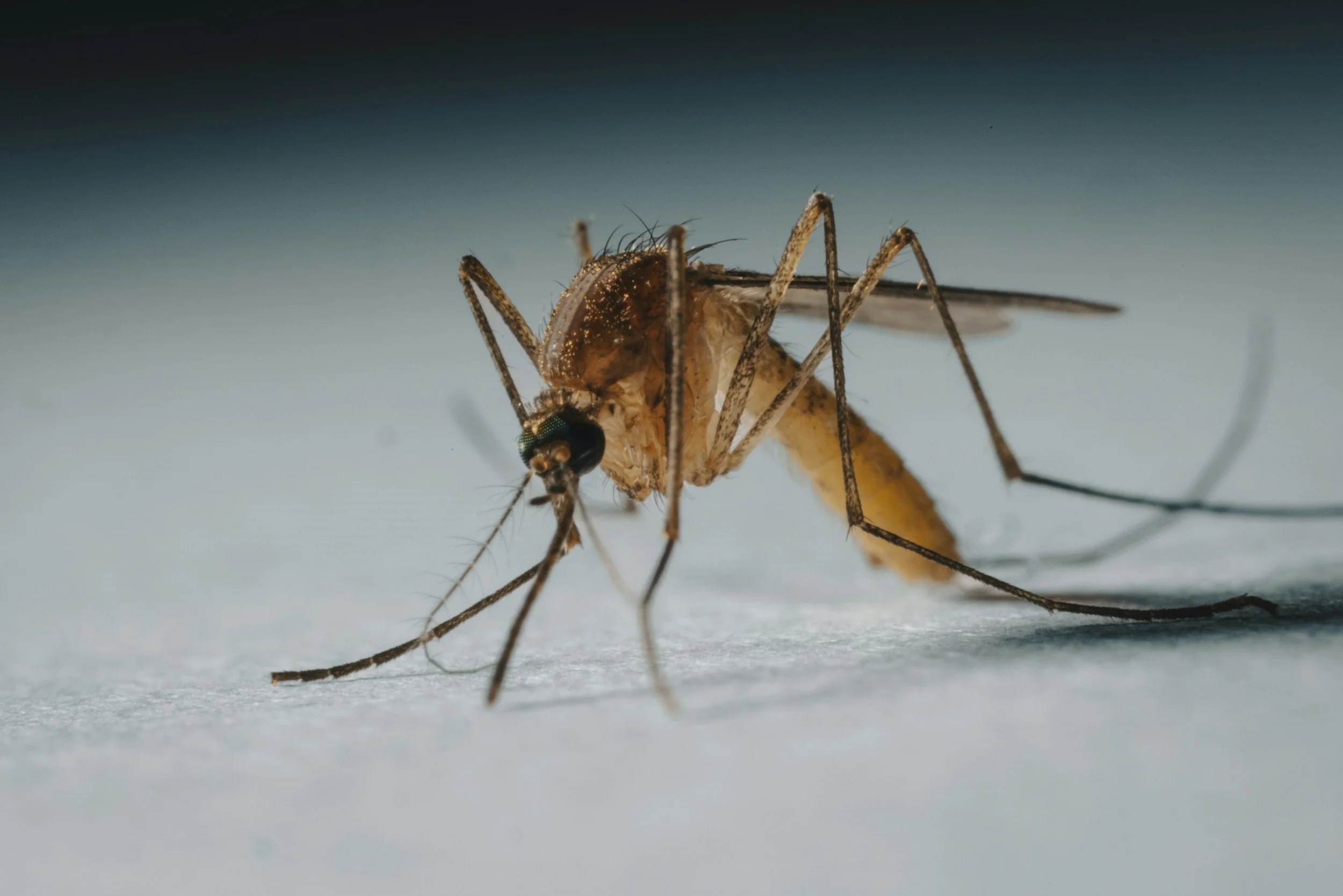
Mosquitoes
Mosquitoes are more than just an annoyance. They can cause irritation, allergic reactions, and contribute to the spread of heartworms and other diseases.
Areas with standing water, marshes, and lakes often have the highest mosquito activity. Avoid dawn and dusk when mosquitoes are most active.
Be sure to discuss safe heartworm prevention options with your veterinarian.
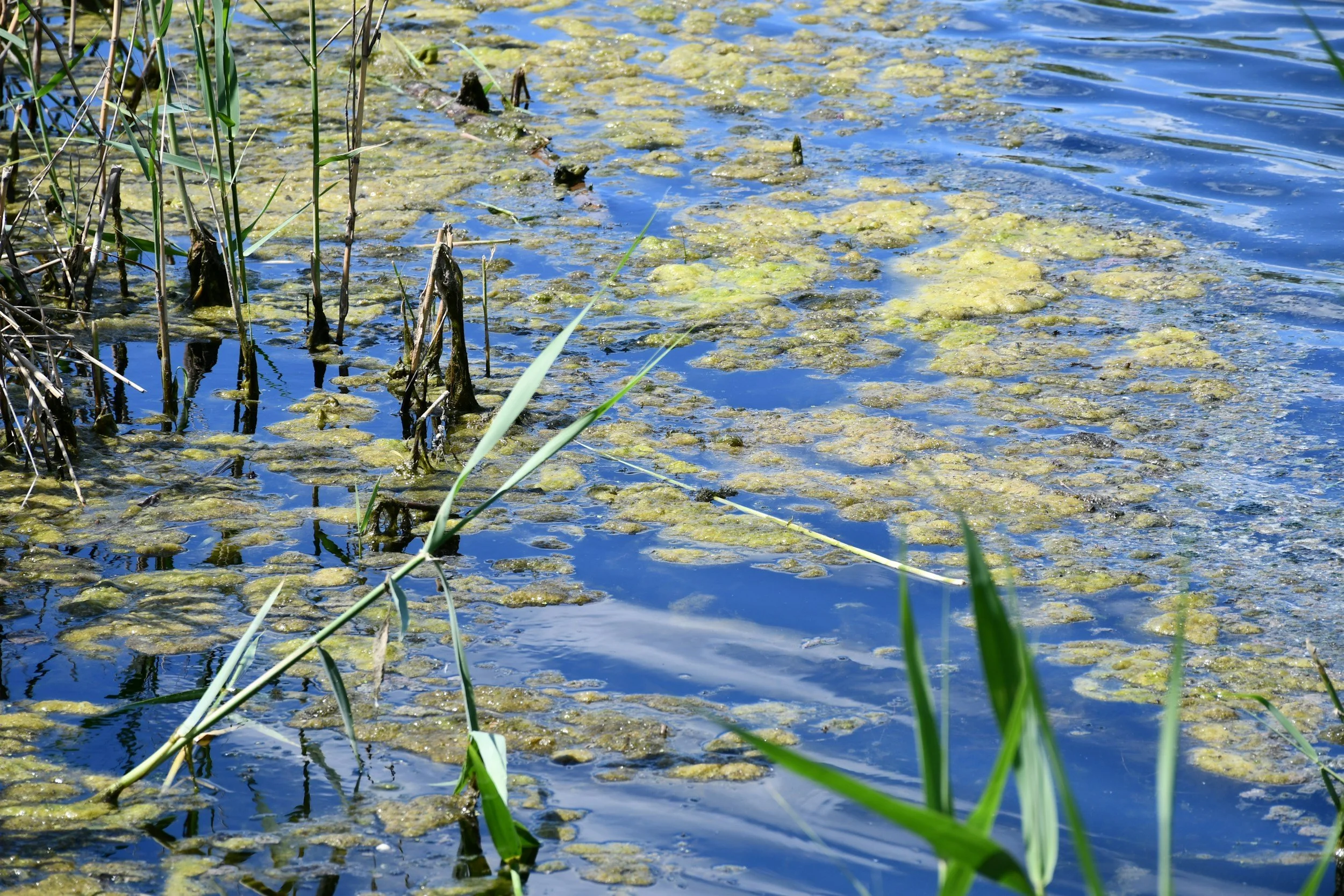
Blue-Green Algae
Blue-green algae is one of the most serious warm-weather hazards for dogs in Oregon. These particular algae blooms can produce toxins that are extremely dangerous and often fatal if ingested. Often by the time symptoms are present, it may be too late for meaningful intervention or recovery.
The challenge is that contaminated water doesn't always look obviously dangerous. Water may appear green, blue-green, pea-soup-like, or have surface scum, but blooms can vary significantly.
Never allow your dog to drink from or swim in water with visible algae blooms. Check local advisories before visiting lakes, ponds, or slow-moving waterways during warm weather.
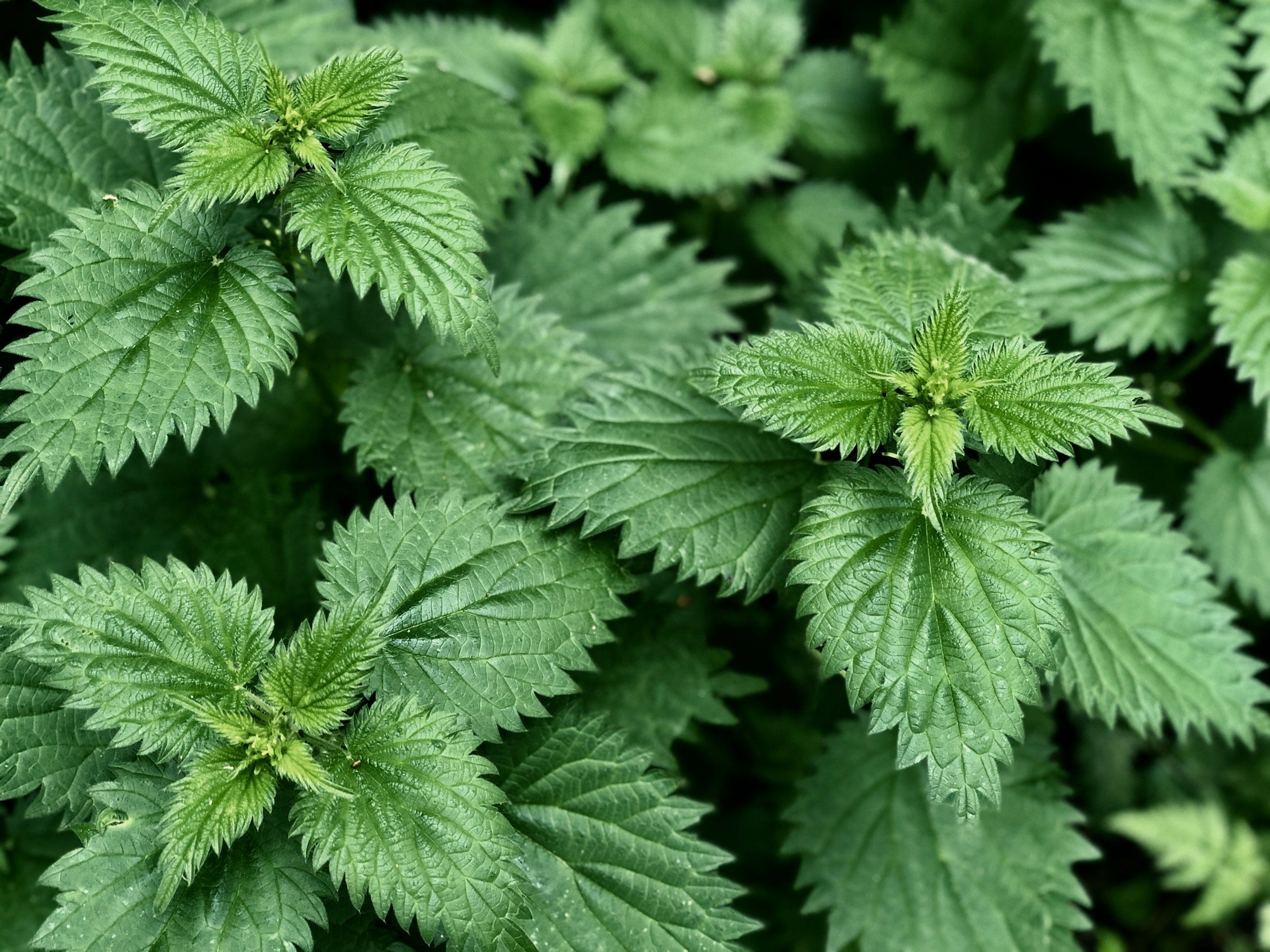
Stinging Nettle
Stinging nettle grows throughout Oregon and can cause temporary irritation when dogs brush against it.
Most dogs experience mild discomfort, but sensitive dogs may show increased licking, rubbing, or irritation around exposed areas. Staying on established trails and knowing how to identify this plant are the best way to avoid it’s irritating effects.

Cold Water Hazards
A hot summer day does not necessarily mean warm water. Many of Oregon’s rivers, alpine lakes, and mountain-fed streams remain extremely cold year-round.
Cold water can cause immediate shock for humans and animals. Additionally it can affect a dog's muscles, coordination, and energy levels relatively quickly. Some dogs are so excited about swimming that they ignore signs of fatigue or potential hypothermia.
Always check water temps before allowing your pup to dive in. Limit prolonged cold-water swimming sessions, monitor your dog closely, and encourage breaks to warm up and rest.
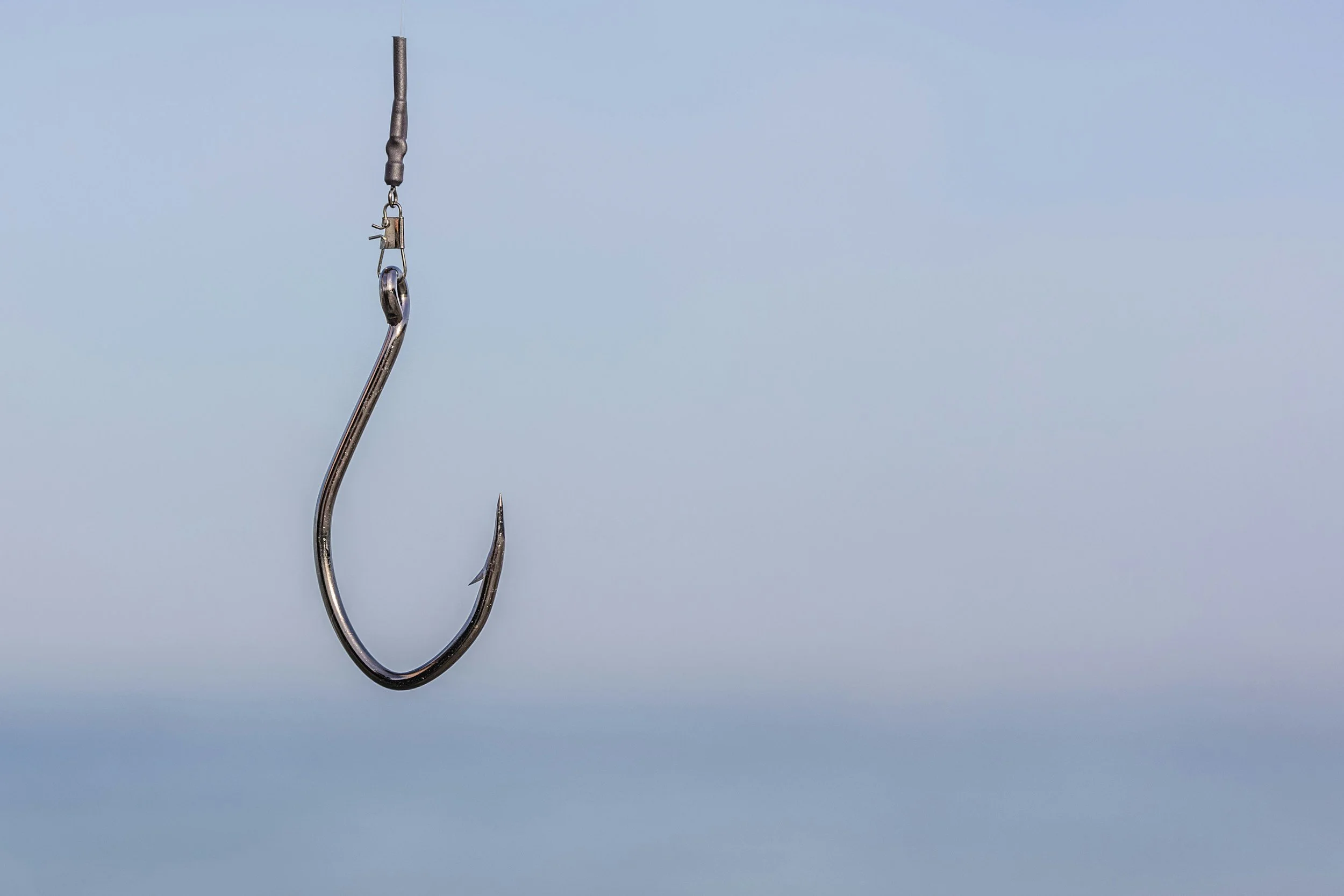
Fishing Hazards
Oregon's waterways are popular destinations for anglers and outdoor enthusiasts alike. Unfortunately, fishing areas can sometimes contain hazards for curious dogs.
Discarded hooks, fishing line, lures, and other debris can cause serious injuries if swallowed or stepped on. Keep an eye on what your dog is sniffing along shorelines and avoid areas with visible fishing waste.
If your dog swallows a hook or becomes tangled in fishing line, seek veterinary care immediately rather than attempting to remove it yourself.
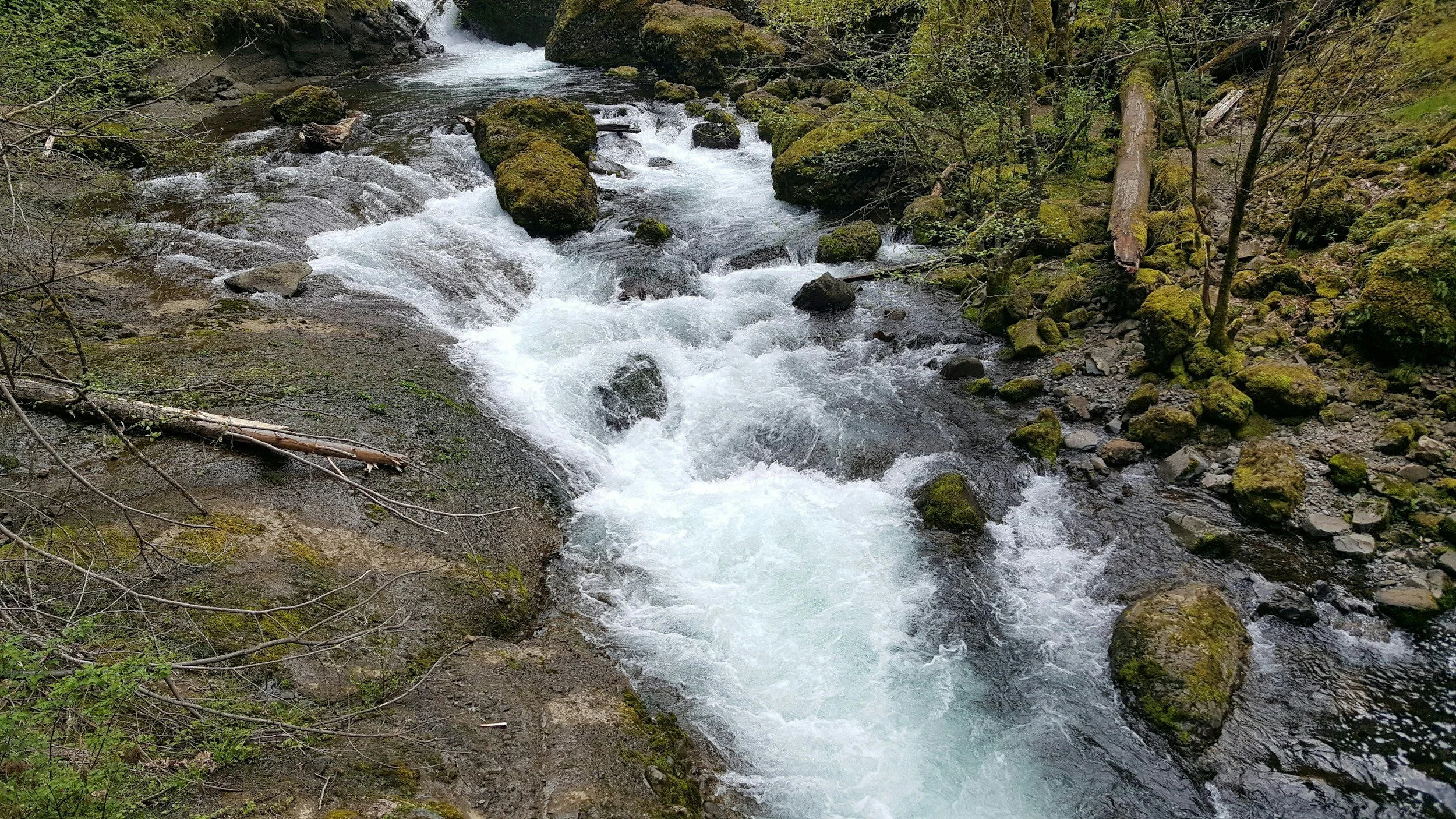
Water Currents
Many of Oregon’s rivers may appear calm from the shore while concealing powerful currents underneath. Spring runoff, snowmelt, and recent rainfall can dramatically increase water speed and force.
Before allowing your dog to swim, take a moment to assess the conditions. Watch the water's movement, look for strainers (fallen trees and debris), and consider whether your dog can easily exit the water if needed.
Not every body of water is suitable for swimming, and knowing when to skip the swim is part of being a responsible adventure partner.

Beach Safety
Oregon’s coastline is a fun and popular place to explore with your dog as long as you are mindful of potential hazards. If your dog likes to swim, be mindful of currents and sneaker waves. Additionally, be careful that your dog doesn’t ingest salt water or sand.
Wildlife in coastal areas may also be present and can carry disease. Cases of leptospirosis have been on the rise year over year. Speak with your vet about proper vaccination/prevention of this and other potential diseases.
Be sure to provide clean drinking water for your dog instead of allowing him to drink from puddles or potentially contaminated sources. Watch that they do not interact with or investigate any wildlife.
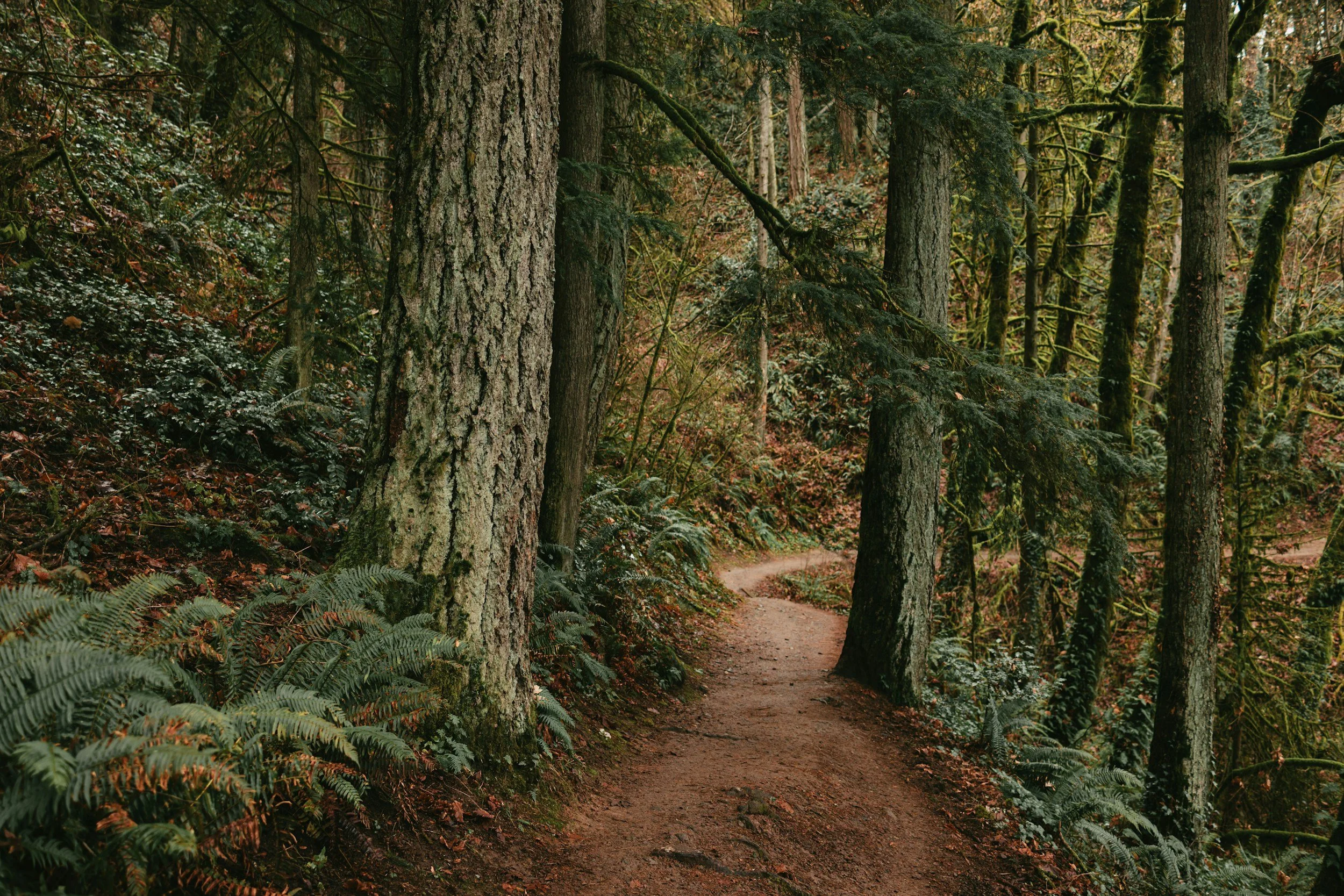
Adventure Smart
With the above info, we hope you are more equipped to enjoy Oregon’s wonderful outdoors safely with your furry friend. Most outdoor hazards become manageable when you know what to look for and take a few simple precautions before heading out.
Pack fresh water, carry a basic canine first-aid kit, check local conditions, stay aware of your surroundings, and make a habit of giving your dog a quick post-adventure inspection.
With a little preparation and some knowledge of Oregon’s natural hazards, you and your dog can safely enjoy everything our beautiful state has to offer. From mountain trails and river swims to forest hikes and beach runs, the best adventures are the ones where everyone comes home happy, tired, and ready for the next outing.